
By David Papke
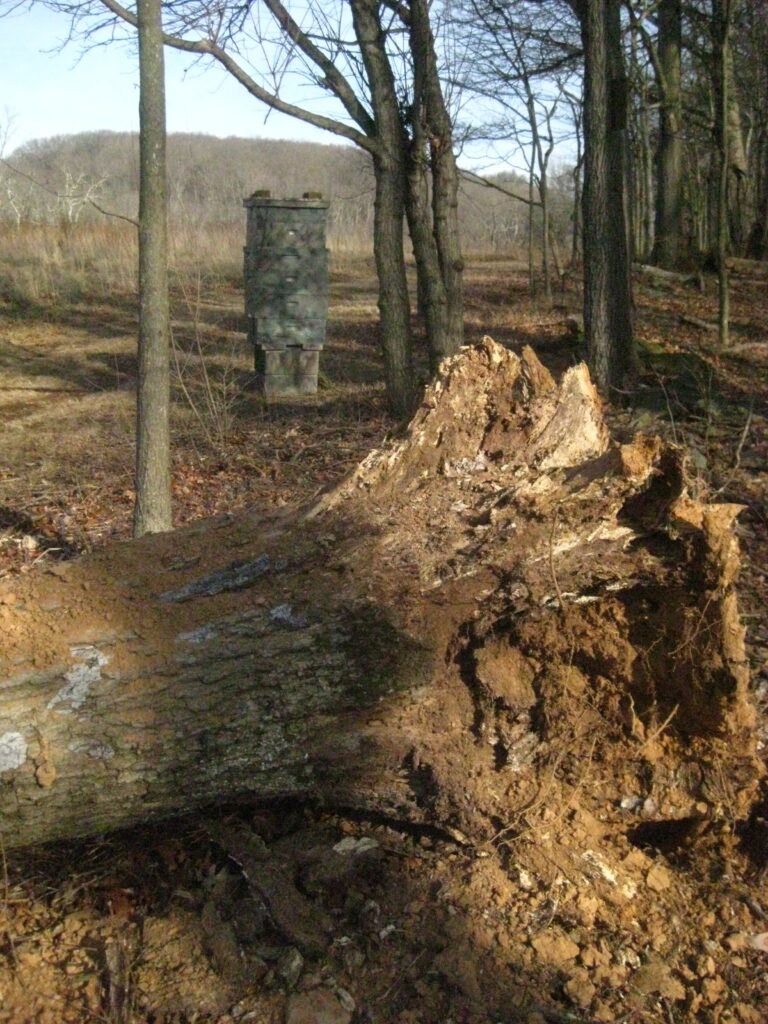
A tree came down in the apiary, a victim of the wicked winds that blew in with a cold front. I had been keeping an eye on that standing dead oak, calculating the chances it might fall on a hive nearby. I was lucky; it fell in the open field. We all take our chances, reason out the risks, imagine the worst, hope for the best. In the end, inevitably, regardless, things just happen. . . Until then, unlike that old oak, this old beekeeper is still standing.
It felt like I had more control when I was younger, that I could anticipate any problem or necessity and respond accordingly. I was a diligent and attentive beekeeper who took pride in being a part of the local food economy: working with growers to pollinate their crops, supplying farm markets with the honey they sold. I found a regimen that worked well for the colonies I kept. That is not to say there were not persistent problems; managing production colonies is no walk in the park.
There are always things to do: management decisions, manipulations, repetitive tasks . Do you know what they say about repeating the same thing over and over expecting a better result? What we all want are booming colonies that don’t swarm and produce a ton of honey, right? Oh yeah, and we want them to be healthy, handle mites, viruses, and pests on their own (well, maybe with a little help) and to come out of winter hardy and ready to do it all over again. We ask a lot of our colonies.
What do the bees ask in return? Nothing, really. Only to survive, reproduce, and carry on. In that regard, their needs are quite simple. Wild colonies are quite content to live on their own.
We have learned to keep colonies as a kind of farm or personal livestock and treat them as such. We own them, house them, attend to their needs as we see fit, encourage production, harvest their honey and beeswax, and rent them out for crop pollination.
Exerting control over livestock for our own benefit seems natural enough until it becomes a necessity. It is easy to rationalize all kinds of human behavior in service to our own species, especially when it involves the food supply. However, ethical questions arise from the degree of control we exert and the kind of attitude we assume.
Ethical beekeeping begins with supporting the well-being of the colony foremost before maximizing the honey yield or anything else. These goals are not mutually exclusive, and can realistically be achieved with a commitment to align management practices with the natural life-cycle of the colony and to purposefully refrain from any practices that create unnecessary stress on the colony. This requires a thorough knowledge and understanding of honey bee biology and how colonies live naturally in the wild. Ethical beekeeping avoids toxic chemicals and includes supporting natural ecosystems, plant diversity and local habitats as well.
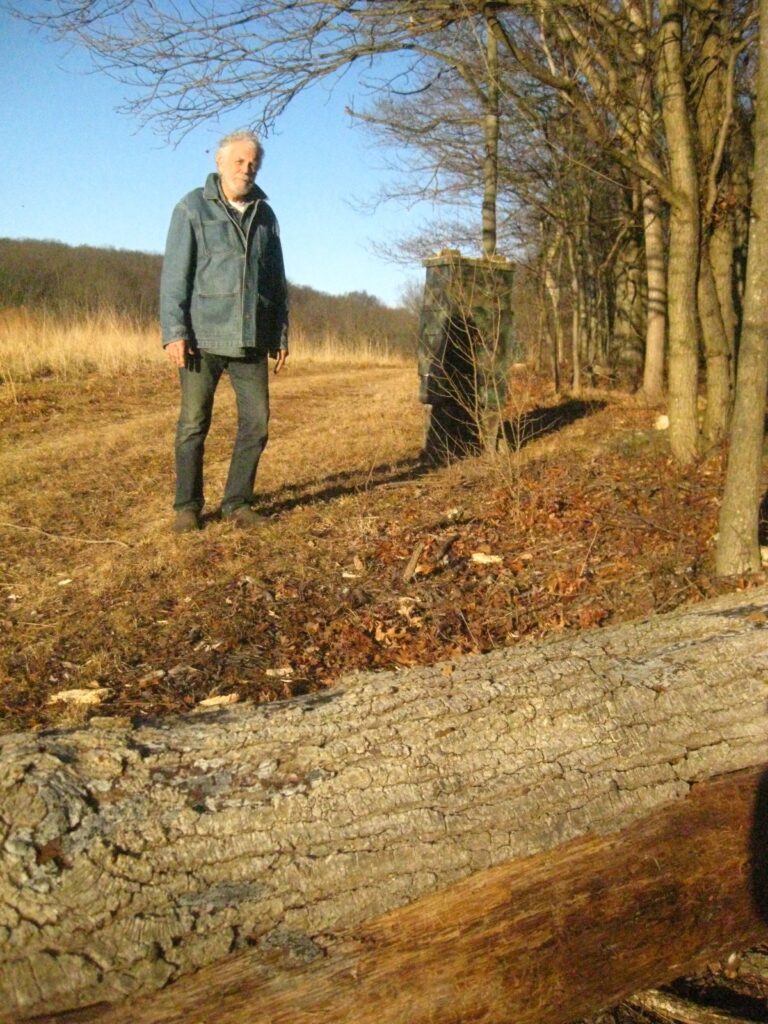
So much has changed in the world and it seems like we are all just waiting for the next catastrophe. Feeling anxious and overwhelmed is the new status quo. Trouble and confusion permeate so many aspects of our lives. Ethical problems may be inconvenient, but they are not inconsequential. Beekeepers will shape the future of beekeeping, by their decisions, by their actions, and by their attitude. Each beekeeper is in a unique position to advocate and act on behalf of these insects we hold so dear and this dynamic living earth we love and share.
Yes, I took my chances with that fallen tree. Yeah, I was lucky. I should have taken action, fired up the chainsaw and dropped it safely in the field rather than just, well . . . let things happen.
[Return to the February 2026 Beeline Newsletter]