Lamas Honey Bee Lab

$1

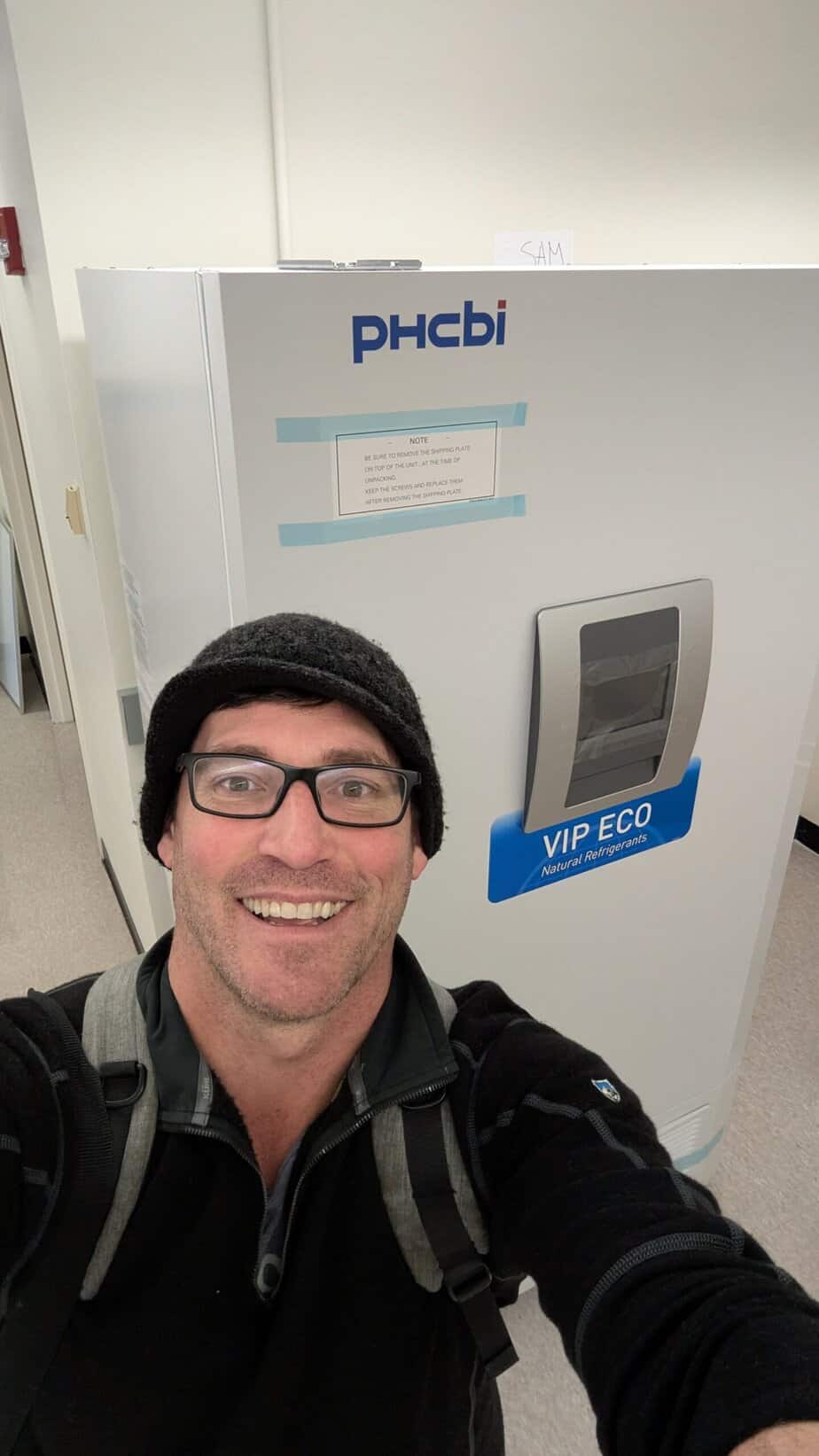
NEW Lamas Honey Bee Lab at University of Maryland, Baltimore County needs beekeeper support.

WHY CONTRIBUTE: The nationwide defunding and disassembly of important honey bee research labs makes funding this project even more important to beekeepers and bee-appreciators.
The lab will primarily focus on viruses and pesticides, both of which broadly impact bee health.


The Lamas Lab at UMBC studies hazards which impact honey bee health and cause colony loss. As a result we mainly focus on Varroa, viruses and pesticides. The lab also provides diagnostic services for regional beekeepers, ensuring stakeholders know in real time which pathogens are affecting their colonies.
VARROA: Varroa has complex biology. Previous research has shown Varroa parasitism is seasonal within a colony. They predominantly feed on drones early in the season. This results in low impact on colony health early in the season, and mites evading detection by the alcohol wash. However, later in the season they shift quickly to worked bees where they are highly mobile. This results in colonies being rapidly parasitized in a handful of days.
We are how weaponizing this information against Varroa, by designing new treatments and management practices. The goal is to lower Varroa’s impact on colony health. We believe that this assistance will help breeding programs develop an adaptive bee.
VIRUSES: Honey bee viruses replicate at high frequency, often making ‘mistakes’ which lead to new variants. We study these viruses to learn how they impact bees. We work with collaborative labs to develop therapeutics, including antivirals and vaccines.
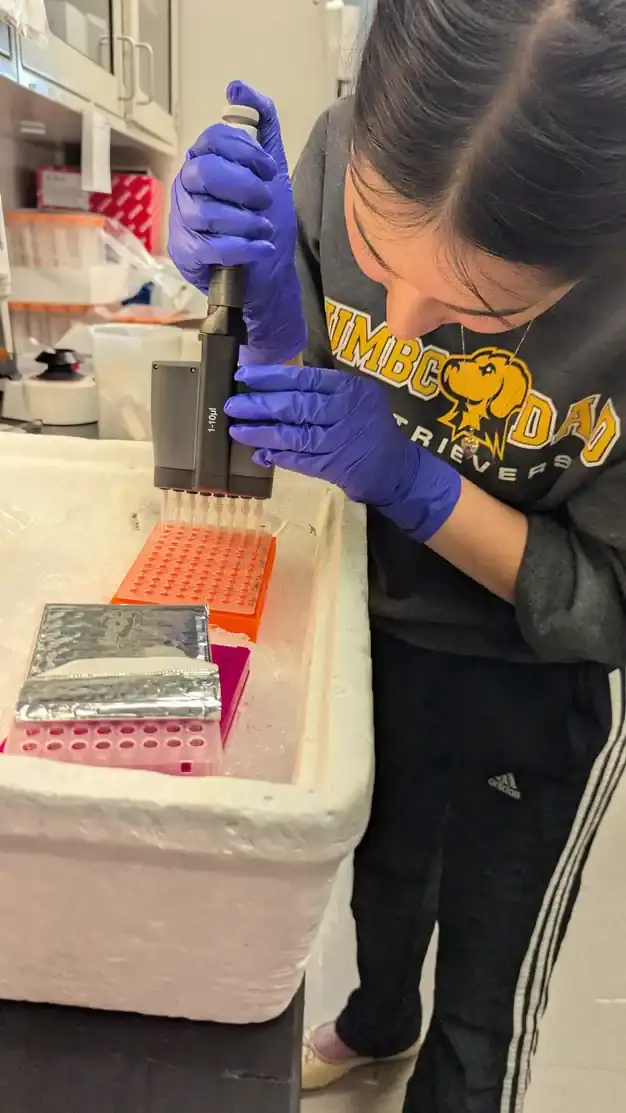
PESTICIDES: Honey bees are impacted by pesticides. Understanding impacts is difficult since exposures vary widely, change in use occurs annually, and exposures may cause sublethal effects. Our lab trains students to carry out meticulous laboratory trials studying pesticide effects on bees, including sublethal and synergistic effects.
DIAGNOSTIC SERVICES: Beekeepers cannot continue to ‘fly blind’ while managing their bees. They need to know which hazards are impacting bee health or causing losses. Our lab provides pathogen diagnostic services for beekeepers so that beekeepers can receive prompt and accurate screenings. Additionally, we will support regional beekeepers with suspected pesticide exposures. By providing both services we hope to provide direct benefits to individuals while identifying trends which benefit all stakeholders.

1) TYPE in the box how much you want to donate
2) CLICK ‘Add to cart’
3) Scroll DOWN to add other Donations

Category:

Description

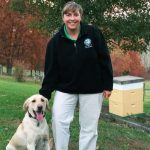
MORE ABOUT ZAC LAMAS (a Maryland native!)

My goal is to create a vibrant research program, and keep students, who are at risk of falling out of STEM, in it.

Growing up I always loved science but did not know practically how to become a scientist. It took me a long time to get here, with a large gap between my undergrad and my PhD. That ten year gap turned out to be a blessing in disguise. I had so many life experiences that I personally needed to grow, and which also fortified me for a career in STEM. Not being a likely PhD candidate has also given me this first hand experience of knowing what it feels to not belong in academia. I take students under my wing, focusing not where someone starts, but where they are going.

I worked for years as a beekeeper, both running my own small migratory operation and working for Mike Palmer in Saint Albans, VT. I entered research with a tremendous amount of beekeeping experience, and also the first hand knowledge of the labor and struggle it takes to commercially keep colonies alive. This has shaped my research, and focus on service to beekeepers.

I'm psyched for this opportunity to start my own research lab. In this current environment a lot of people will leave the STEM fields. My goal is to create a vibrant research program, and keep students who are at risk of falling out of STEM in it.


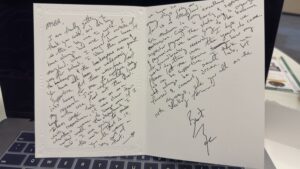
Zac's THANK YOU note to MSBA for launching this fundraiser:

MSBA,

I am finally getting to thank you cards, and oh boy is this a big one to write. I have always had one foot outside of Maryland. When I moved down here it was for school. I liked the area, the beekeeping, & the beekeepers are great. You have all been so welcoming & supportive. But there were/are no jobs here for me to continue doing my research. I’ve unfortunately lived with one foot out the door. When UMD took me on as a visiting researcher, it was clear their intentions were to keep me. If I worked well in the department, I said—I am going to make this work. That is it. You all were a big part of that.

We have so many things going on for us in Maryland. Eric Malcolm is doing an excellent extension. Cybil is running a supportive inspector program. The state org is organized & progressive. We are going to be known for ground-breaking research. I hope we work together over the years to come. Please let me know how my lab can be supportive. We will always be a small lab, but focused & community driven.

Anyways, see you all on the 14th. Looking forward.

Best, Zac